
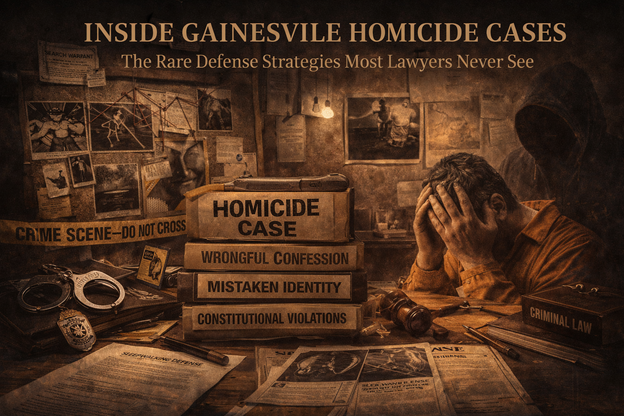
Homicide trials are among the most stressful and complex confrontations in the justice system. They involve intense scrutiny of evidence, deep emotions from all sides, and life altering consequences for the accused. Most articles you read about murder defense talk about self-defense or accidental shootings. But seasoned trial lawyers know there are rarer, lesser–known strategies that can turn what seems like a hopeless situation into a more defensible legal position.
Below, we break down some of these uncommon defense avenues, backed by real world examples, research insights, and strategic suggestions that go beyond the usual playbook.
Unpacking the Basics: What’s at Stake
Before diving into rare defenses, it helps to understand how serious homicide accusations are treated. Consulting a Gainesville Homicide Attorney early in the process can be critical when facing such high-stakes charges. In jurisdictions like Georgia, charges such as malice murder carry potential life imprisonment or even capital punishment if aggravators are present. Felony murder can apply even without intent to kill, simply based on a death occurring in the course of another crime. Manslaughter, by contrast, recognizes situations where intent is absent or provocation was extreme.
Against this backdrop, every defensive tool matters.
Challenging the Prosecution’s Case: Beyond the Obvious
Most criminal defense attorneys focus on self-defense or alibi arguments. These are critical, but they are not always available or effective. Below are some nuanced strategies that can reshape how prosecutors and juries perceive evidence.
- Constitutional Violations That Undermine Evidence
Police and investigators must follow strict constitutional rules. Fourth Amendment rights protect against unlawful searches and seizures, and Miranda rights safeguard against compelled confession. Strategic motions to exclude evidence obtained illegally aren’t rare, but many attorneys don’t scrutinize every interaction for possible violations. When successful, exclusion of key evidence can weaken the prosecution’s entire case.
- Mistaken Identity and Witness Reliability
Research shows that eyewitness testimony is far from infallible, particularly in stressful situations involving violence. Factors like low light, cross racial identification, or focus on weapons can drastically reduce accuracy. Defense teams that methodically challenge eyewitness reliability can erode juror confidence in prosecution narratives. Expert testimony on perception and memory often plays a pivotal role here, especially when highlighting the potential legal consequences of relying on unreliable identification.
- False Confessions and Psychological Pressure
False confessions might sound unlikely, but stress, coercive interrogation tactics, and misunderstanding of rights can lead suspects to say things they don’t mean. Courts are increasingly vigilant about whether statements were truly voluntary. Highlighting questionable interview tactics can result in crucial admissions being thrown out.
Rare But Real: Creative Defenses Seen in Courts
There are defense strategies so unusual that they rarely appear in textbooks, yet they have worked in actual cases.
- Sleepwalking and Altered State Defenses
Credible documented cases exist where defendants successfully argued they were unconscious or in a dissociative state when the killing occurred. Sleepwalking, for example, has been used to explain involuntary actions leading to death. While these defenses carry high evidentiary burdens, when supported by medical evidence and expert testimony they can lead to acquittals.
- Panic or Syndrome-Based Arguments
Certain defenses invoke psychological states like battered person syndrome or extreme fear reactions in specific environments. While controversial, these arguments aim to explain why a defendant’s perception of threat was reasonable under the circumstances. Such defenses don’t always lead to outright acquittals, but they can mitigate charges or reduce sentences.
Actionable Advice for Defense Teams and Accused Individuals
Whether you’re a legal professional or someone facing charges, here are practical steps that make a measurable difference in prepping for trial:
- Act Quickly to Preserve Evidence
Every second after an incident matters. Delay can mean lost witness testimony or compromised crime scene integrity.
- Engage Forensic and Psychological Experts Early
Specialized experts can interpret evidence in ways that reshape how jurors understand crucial facts.
- Scrutinize Police Actions from Day One
Look for inconsistencies in how evidence was collected, statements were taken, or warrants executed.
- Prepare for Jury Perception Battles
High-profile homicide cases often involve public opinion. Media narratives can influence jurors long before trial starts.
A Legal Ally with Unique Insight
When facing these complex challenges, having a lawyer who truly understands both prosecution tactics and uncommon defensive strategies can change the course of a case. For individuals navigating these stormy waters, considering representation from an experienced firm like Blake Poole Law can bring valuable strategic insight, especially from those familiar with the nuances of Georgia’s legal landscape and practical defense planning.