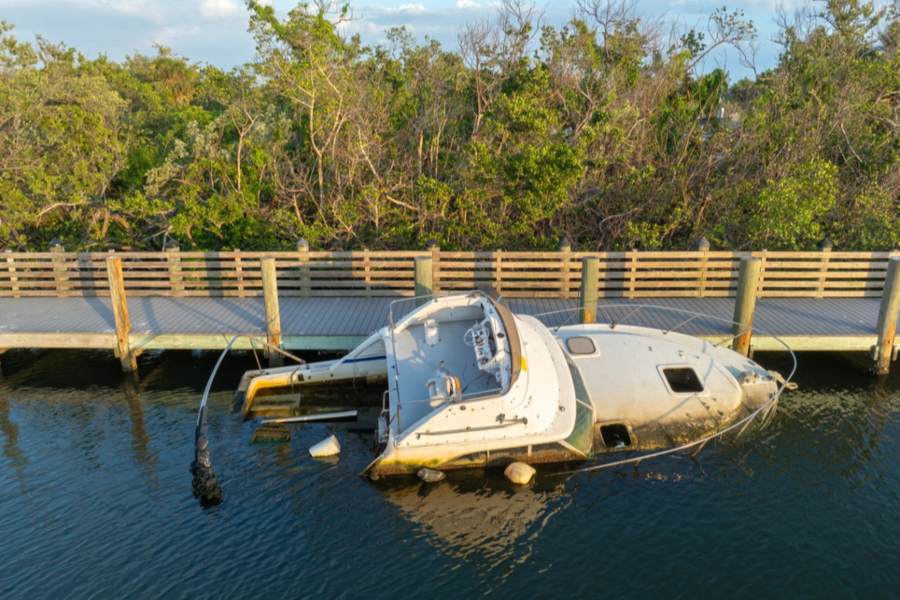
In Sarasota, FL, waterways support heavy boating activity throughout the year, especially in bays, marinas, and coastal routes. With increased traffic comes a higher risk of serious boating accidents that often involve complex injuries, property damage, and multiple responsible parties. These cases rarely resolve on their own and require prompt, informed action to protect legal and financial interests.
Delays after a boating accident can weaken injury documentation, disrupt evidence collection, and allow insurers or vessel operators to shape the narrative early. Boating accident claims move quickly through insurance and legal systems that prioritize timelines over personal recovery.
Early guidance from a boating accident lawyer in Sarasota, FL, helps injured parties understand these pressures and respond in a way that protects their rights rather than compromises them.
Delay and Liability Do Not Mix
Boating accidents often involve shared waterways, rented vessels, and multiple operators. Fault is rarely obvious. Waiting to take action allows responsible parties to distance themselves from the incident. Operators may change stories. Rental companies may claim a lack of control. Tour providers may point to weather or water conditions.
Liability depends on timing. Statements made early carry more weight. Records created close to the accident reflect clearer facts. As days pass, proof becomes thinner. Delay allows others to shape the narrative before injured parties understand how liability works under Florida and maritime rules.
Medical Gaps Create Legal Gaps
Boating injuries can hide beneath adrenaline and shock. Neck strain, internal trauma, and head injuries may not feel serious right away. Waiting to seek care creates gaps that insurers use to challenge claims. They argue injuries came from something else or were not serious enough to require treatment.
Medical records serve two purposes. They protect health, and they document harm. Delayed care weakens both.
Sarasota, FL, insurers examine timelines closely. Even short gaps can reduce credibility. Early medical attention helps prevent pain from growing worse and keeps injury records consistent and reliable.
Evidence Disappears on the Water
Water environments destroy evidence faster than roadways. Boats are cleaned, repaired, or returned to rental fleets quickly. Wake patterns fade. Damage shifts with tides. Marina surveillance systems overwrite footage within days. Witnesses leave the city once the vacations end.
Waiting turns solid evidence into assumptions. Photos taken late lack context. Witness memory fades. Vessel conditions change. Evidence that could have clearly supported a claim becomes disputed or unavailable. Prompt action preserves what water naturally erases.
Financial Impact of Waiting
Insurance companies do not wait to protect themselves. They open files immediately. They gather statements. They calculate exposure. Injured boaters who delay reporting lose leverage early. Settlement offers shrink. Documentation gaps appear. Lost income becomes harder to prove.
Delay also affects damage calculations. Medical bills increase without clear links to the accident. Property damage estimates lose accuracy. Financial recovery depends on proof, not sympathy. Waiting reduces the value of claims long before negotiations begin.
Deadlines Do Not Adjust
Florida law sets deadlines for personal injury claims. Maritime law may impose different notice requirements depending on vessel type and ownership. These timelines do not pause for recovery or uncertainty. Missing one requirement can limit or eliminate compensation.
Procedural mistakes often happen early. Late filings, incorrect notices, or misidentified parties can block claims completely. Early legal review helps avoid errors that cannot be fixed later.
Specific Risks Increase the Cost of Delay
Sarasota, FL, boating accidents carry added complexity. Seasonal traffic brings out-of-state operators. Charter vessels operate under layered regulations. Some accidents fall under federal maritime rules. Others follow Florida personal injury law.
Delays magnify these challenges. Jurisdiction questions grow harder to resolve. Insurance coverage becomes more disputed. Local knowledge matters because waterways are regulated differently from inland lakes or private docks.
One Section Where Timing Matters Most
Delay creates problems across every part of a boating accident case, but certain areas suffer the most:
- Identifying responsible operators and vessel owners.
- Preserving marina records and surveillance footage.
- Securing witness statements before tourists leave.
- Creating consistent medical documentation.
- Preventing insurance-driven narratives from forming.
Each missed step compounds the next.
Wrap Up!
Boating accident claims rarely collapse all at once. They weaken slowly. Delay shifts control away from injured parties and toward insurers and vessel operators. Decisions made early shape everything that follows.
Working with a boating accident lawyer in Sarasota, FL, allows injured boaters to act with clarity instead of haste. Waterways demand quick but careful action. The real cost of waiting is not just money. It is the loss of control over facts, proof, and legal options.
Acting early keeps the case grounded in truth rather than assumptions. In Sarasota, FL, water timing is not optional. It is the foundation of every strong boating accident claim.