
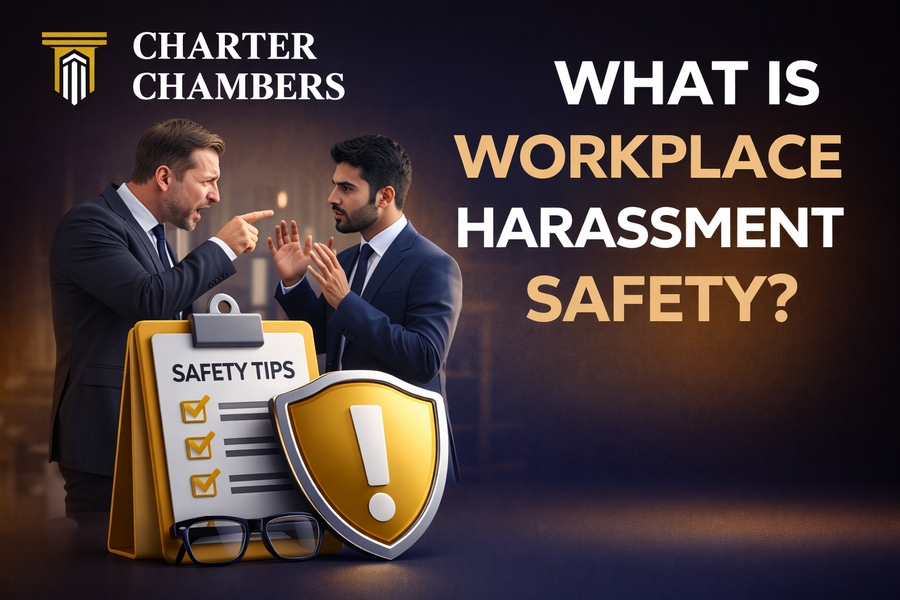
Workplace harassment can be a severe problem, affecting employees’ mental and physical health. It comes in various forms, such as verbal, physical, and sexual harassment, and it is crucial to understand what constitutes harassment and how to protect yourself.
A harassment-free workplace not only improves employee satisfaction but also boosts productivity and overall well-being. This article will explore how workplace harassment can be prevented, offering you the knowledge you need to identify, prevent, and respond to harassment in your workplace.
What Is Workplace Harassment?
Workplace harassment refers to any unwelcome or inappropriate behavior that creates a hostile or intimidating environment. Harassment may involve verbal insults, physical threats, or sexual advances. It’s important to recognize that harassment isn’t limited to physical contact—it can also include verbal or emotional abuse. Protecting employees from workplace harassment is essential for maintaining a positive, respectful work environment.
A safe workplace ensures employees feel valued and protected from these harmful behaviors. Preventive measures, such as educating employees and establishing clear anti-harassment policies, are effective strategies in reducing harassment. Companies should invest in these proactive approaches to safeguard their workforce’s mental and physical well-being.
One essential measure that can help identify and address workplace harassment is thorough training for both employees and managers. Establishing clear guidelines helps set expectations for appropriate conduct and prevents misunderstandings. Such training programs also help individuals understand the legal implications of harassment, promoting a culture of respect and professionalism.
For businesses looking to create a supportive environment, learning about the importance of “new york city law firm” in establishing workplace safety is crucial. A lawyer specializing in labor and employment law can help organizations navigate complex legal issues and reinforce their commitment to a harassment-free workplace. New York City law firm can guide employers through creating effective workplace harassment policies that comply with both state and federal laws.
The Impact of Workplace Harassment
The effects of workplace harassment are far-reaching and can have long-term consequences for both the victim and the organization. Employees who experience harassment may suffer from anxiety, depression, and decreased work performance. It can lead to higher absenteeism, increased turnover, and lower employee morale.
Employers also face legal and financial risks if harassment incidents go unaddressed. Lawsuits, fines, and damage to the company’s reputation can result from harassment that is not handled promptly and effectively. This is why ensuring workplace harassment safety should be a top priority for any organization.
Understanding the risks and consequences of harassment, and taking proactive steps, are key to preventing these issues. Establishing a robust complaint system that allows employees to report harassment without fear of retaliation is essential for early intervention.
Preventing Workplace Harassment
The best way to address workplace harassment is to prevent it. Establishing clear anti-harassment policies that all employees understand and follow is essential. These policies should outline what constitutes harassment, the procedure for reporting it, and the consequences for violating the rules. A transparent and easily accessible reporting process is crucial.
Additionally, managers should receive training on handling harassment complaints sensitively and effectively. Managers are the first line of defense in preventing and addressing harassment. They must model appropriate behavior and foster an open, respectful atmosphere where employees feel comfortable voicing concerns.
Workplace harassment can be avoided by regularly reminding staff of the company’s harassment policies and providing refresher courses. Employers can also create an environment where employees understand the importance of mutual respect and professional conduct. Workplace violence prevention guidelines can help employers build a safe and secure work environment that actively discourages harassment.
Reporting and Responding to Harassment
If harassment occurs, it is crucial for employees to feel empowered to report it. Many workplaces have reporting mechanisms in place, but it’s important for those mechanisms to be accessible, confidential, and free of retaliation. Encouraging employees to come forward ensures that issues are addressed quickly before they escalate.
Once harassment is reported, employers must respond promptly and appropriately. This includes conducting a thorough investigation, offering support to the victim, and implementing corrective actions. It’s also essential to maintain confidentiality throughout the process to protect the privacy and safety of those involved.
Employers should provide clear guidance on how to escalate complaints if employees feel their initial concerns haven’t been addressed. Such procedures ensure that victims know they will be supported and that their complaints are taken seriously.
Understanding the Legal Framework
Workplace harassment laws exist at both the federal and state levels, and employers must comply with these regulations. The Equal Employment Opportunity Commission (EEOC) enforces federal laws that prohibit workplace harassment, including Title VII of the Civil Rights Act of 1964, which makes it illegal to harass an employee based on race, color, religion, sex, or national origin. Employers are legally required to prevent and respond to harassment in the workplace.
In addition to federal laws, many states have their own anti-harassment regulations, which may offer additional protections to employees. Employers must be aware of the laws applicable to their specific locations and ensure compliance.
Building a Safe and Respectful Workplace Culture
Creating a workplace culture that prioritizes respect, inclusivity, and professionalism is crucial to preventing harassment. Employees should feel valued and supported, knowing that their well-being is a top priority for the organization. This culture can be cultivated by promoting open communication, offering employee well-being programs, and encouraging teamwork.
Furthermore, organizations should foster an atmosphere where diversity is celebrated, and everyone is treated with respect. Such a culture encourages positive interactions and reduces the likelihood of harassment.
For example, offering programs on gender equality and diversity can significantly reduce instances of gender discrimination and other forms of harassment. A workplace where employees feel recognized and supported is less likely to experience harassment, ensuring overall success for the business.
Consequences of Ignoring Workplace Harassment
The consequences of failing to address workplace harassment can be severe for both employees and employers. Victims of harassment may experience long-term mental health issues, including depression, anxiety, and post-traumatic stress disorder (PTSD). The organization may suffer from low morale, decreased productivity, and high turnover rates.
Legal repercussions can also be significant. If harassment claims are substantiated, companies may face lawsuits, fines, and even punitive damages. The financial and reputational costs of ignoring harassment cannot be understated, and it’s essential for companies to take swift action when harassment is reported.
The importance of consulting a New York City law firm for legal advice and action cannot be stressed enough in such situations. Ensuring that an organization complies with workplace harassment laws is the first step in maintaining a safe work environment.
Conclusion
Workplace harassment safety is essential for the well-being of employees and the success of any organization. By understanding what constitutes harassment, implementing preventive measures, and responding effectively to complaints, employers can create a respectful and safe workplace.
Addressing harassment should be a priority, as the risks of ignoring it are far too great. A safe, respectful workplace encourages employees to thrive and contributes to the overall success of the company. Remember, protecting your workforce from harassment is not just a legal obligation, but a moral one too.
