
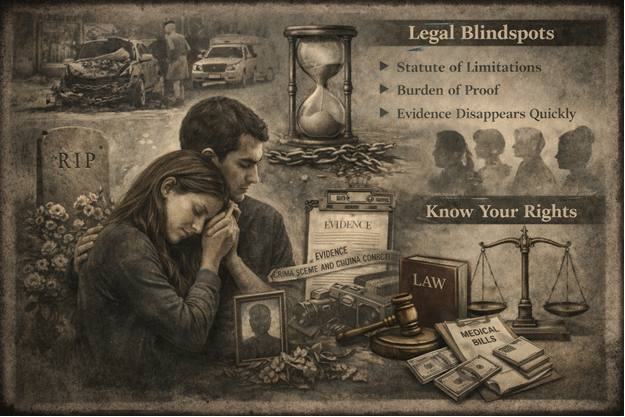
When a family loses a loved one due to someone else’s mistakes or negligence, the emotional impact is devastating. What often follows is a legal maze that many are unprepared for. Grief makes decision-making harder at the same time deadlines, evidence rules, and complex legal standards begin ticking. Without clarity and strategy, families risk losing their only opportunity for justice and financial stability.
How Wrongful Death Claims Arise
Wrongful death lawsuits arise when someone dies because of another party’s negligence, recklessness, or intentional misconduct. These can come from car crashes, workplace accidents, medical malpractice, or defective products. For example, statistics show that more than 90 % of wrongful death claims in the U.S. result in a settlement rather than a trial, and only a small fraction actually goes before a jury. This reflects how often insurance negotiations and careful legal strategy dictate outcomes more than courtroom drama.
Common Legal Blindspots That Hurt Families
- Statute of Limitations Confusion
Every jurisdiction sets a deadline for filing wrongful death suits. Missing that deadline, even by a day, can permanently bar your claim. Many families delay because they think “there’s time” or because they’re overwhelmed with funeral arrangements. Professionals stress that early filing preserves rights and avoids automatic dismissal.
- Burden of Proof Misunderstood
Families often assume wrongful death cases are like criminal prosecutions. They are not. You must prove by a “preponderance of evidence” — meaning it’s more likely than not the defendant’s actions caused the death. Without solid evidence, such as police reports, medical records, or expert testimony, a case can fall apart.
- Evidence Disappears Quickly
Skid marks fade, surveillance footage is overwritten, and witnesses forget details within weeks. If evidence isn’t preserved early, vital proof never sees a courtroom or settlement table. Prompt investigation is crucial.
- Financial and Emotional Losses Are Often Undervalued
Damages include economic losses like medical bills and funeral costs, but also non-economic losses such as loss of companionship. Some states limit these non-economic damages with caps, reducing the compensation for pain and suffering. Understanding these limits early helps shape realistic expectations.
Real World Examples
Consider a family whose loved one died in a fatal intersection crash. Witnesses were initially hesitant to speak up, and the police report lacked clarity. By the time relatives sought legal help for an accident lawsuit, critical video evidence was gone — significantly weakening their claim. Conversely, another family filed within days of a workplace death and quickly preserved safety logs and expert witness testimony. That early action translated into a settlement that covered lost wages and long-term care for dependents.
Actionable Legal Guidance
Know Your Deadlines
Mark key due dates for filing a wrongful death claim in your state and start the process immediately after a fatal incident.
Document Everything
Take while-it’s-fresh photos, notes, and contacts to build a timeline of events. Ask friends or co-workers for witness statements, and keep copies of medical records.
Ask Smart Questions
When speaking to professionals, ask: What evidence will make or break my case? How do local laws affect recoverable damages? What are the expected costs of litigation versus settlement?
Choose Lawyers With Relevant Experience
Cases involving complex evidence or multiple defendants benefit from counsel who knows how to deal with insurance tactics and expert testimony. In some scenarios, consulting a specialist in wrongful death claims like a seasoned Wrongful Death Attorney can make a material difference in outcomes.
Where to Turn for Skilled Support
Navigating wrongful death claims requires a blend of empathy and legal precision. In the U.S., firms that focus on personal injury and wrongful death litigation help guide families through evidence gathering, negotiations, and court procedures. A professional with deep experience can protect your rights and help translate loss into meaningful compensation when negligence has taken everything from you.
Final Takeaway
Losing someone is painful enough without having to worry about legal blindspots. Understanding key pitfalls, acting quickly, and getting strategic support empowers families to seek justice rather than suffer avoidable setbacks. With the right preparation and guidance, you can protect your family’s future after an unimaginably hard loss.