
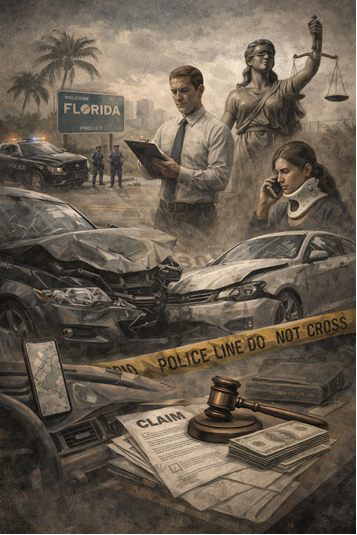
Car accidents happen in the blink of an eye, but the consequences can affect your life for months or years. Whether it’s a fender-bender on a busy highway or a more serious collision at an intersection, understanding how negligence and liability work in Florida is critical if you find yourself involved in a crash.
This guide breaks down what you need to know, cuts through common myths, and explains your rights so you aren’t blindsided by insurance company tactics.
Why Most Crashes Aren’t “Just Accidents”
Every day, distracted driving, speeding, and risky maneuvers lead to collisions. According to the National Highway Traffic Safety Administration, distracted driving was a factor in over 2,800 deaths in the United States in a recent year. These aren’t random events but often the result of negligent behavior behind the wheel, which is why seeking guidance from experienced Tarpon Springs Car Accident Attorneys can be essential for victims navigating the aftermath.
Negligence in legal terms means someone failed to exercise reasonable care, and that failure caused harm. If a driver ran a red light and hit your car, that’s negligence. Florida law allows victims to hold negligent parties accountable for the losses they suffer.
Florida’s Insurance Rules: What You Won’t Hear from the Adjuster
Florida operates a no-fault insurance system. This means:
- Your own Personal Injury Protection (PIP) covers certain medical costs and lost wages regardless of who caused the crash up to a limit.
- You can only step outside no-fault and file a liability claim if you meet the “serious injury” threshold.
- Insurance companies use this to limit payouts and avoid full responsibility.
This setup can make claims confusing. Many people think reporting the crash to their insurer is all they need to do, but that’s not always true. Consulting knowledgeable legal professionals helps you understand whether your injuries qualify for a full claim and how to preserve your rights long before insurance adjusters start calling.
Common Myths That Hurt Your Claim
Before diving into tips, here are mistakes people often make after a crash:
- Myth: Minor pain isn’t worth reporting.
If you felt stiff the next day, that could indicate soft tissue injury. Delaying documentation can weaken your ability to prove damages.
- Myth: Insurance will automatically pay fair compensation.
Adjusters are trained to protect company profits. They may downplay your injuries or focus on pre-existing conditions to reduce payouts.
- Myth: Saying “I’m sorry” admits fault.
Florida’s comparative negligence rule means your compensation can be reduced if you’re partially at fault. legal advice for victims highlights that words matter, and even polite statements can be used against you in settlement negotiations.
Steps That Matter After a Crash
When the dust settles and you’re physically able, you can protect your rights with these practical actions:
- Move to Safety and Call 911. A police report becomes vital evidence later.
- Take Clear Photos. Crash angles, vehicle damage, skid marks, and traffic signs tell a story better than words.
- Get Medical Evaluation. Some injuries don’t show up immediately, but early records matter for claims.
- Keep All Records. Medical bills, repair estimates, and wage loss statements are part of your damage claim.
- Talk to a Lawyer Before Detailed Statements. Even simple conversations with insurance adjusters can affect your case.
When You Need Legal Support
Dealing with insurance companies can feel like navigating a maze. If your injuries are serious and liability isn’t clear, talking with experienced legal professionals can make a real difference in your recovery and peace of mind.
For example, trusted Florida advocates like Zervos & Calta, PLLC have helped crash victims understand their options and push back against insurance tactics that undervalue legitimate claims. From documenting liability to negotiating fair compensation, having the right support can change the course of your case.
Your Rights and What Comes Next
Understanding negligence and liability gives you power in a stressful situation. Crash reports, medical documentation, and solid legal strategy all contribute to maximizing what you’re entitled to, especially when determining who may be liable for negligence. You don’t have to face insurance companies alone, and you don’t have to settle for less than what the law allows.
By taking proactive steps, staying informed, and seeking help when needed, you protect not just your rights, but your future.