
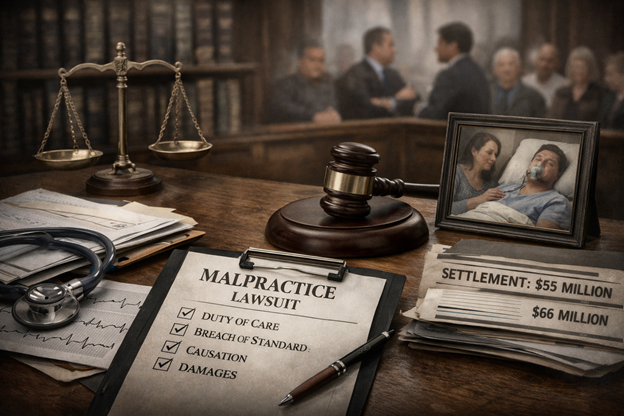
Hundreds of medical malpractice cases settle quietly behind closed doors every year. But some courtroom victories go far beyond a single patient. These landmark wins reshape how hospitals manage care, how juries think about negligence, and how everyday people stand up when the system fails them.
Medical mistakes are more common than most people imagine. A widely cited 2016 study placed medical error as the third leading cause of death in the United States, trailing only heart disease and cancer. That statistic shook the country, forcing both the medical community and legal practice to take notice.
In response, some trial lawyers stepped forward with an urgency usually reserved for historic legal battles. Among them, firms willing to take complex, emotionally charged cases against large healthcare systems have altered the landscape of patient rights. Here’s how that happened.
What Makes a Case Worth Fighting
Not every negative health outcome is malpractice. By definition, true medical negligence occurs when a healthcare provider fails to deliver care to the accepted standards, and that failure directly harms a patient. Successful legal challenges hinge on four pillars:
- Duty of Care – A professional relationship existed.
- Breach of Standard – The care delivered was below professional norms.
- Causation – The breach directly caused an injury.
- Damages – The patient suffered measurable loss.
This framework isn’t theoretical. Lawyers build these elements with evidence, expert testimony, and careful strategy. In fact, law firms often consult medical professionals to interpret complex records and help juries understand how a misstep translates into long-term harm.
Real Victories That Made an Impact
Some cases are so significant that they don’t just resolve one person’s suffering they send a signal across the industry.
One high-profile example involved more than 280 patients who suffered unnecessary sinus surgeries. The legal team secured a $55 million recovery collectively for these victims, an outcome that forced physicians and hospitals nationwide to re-evaluate surgical oversight and informed consent processes.
Another mass malpractice case targeted a cardiology practice where patients underwent unnecessary stenting procedures, pacemaker implantations, and risky cardiac treatments. That litigation resulted in over $66 million in settlements for more than 260 injured patients and sparked broader scrutiny of cardiac care protocols.
Outcomes like these don’t just compensate victims they encourage hospitals to tighten safety protocols and invest in better training and supervision.
Bringing Patient Voices Into the Courtroom
In many malpractice trials, the courtroom amplifies voices that would otherwise go unheard. Patients and families share devastating stories of permanent injury, emotional trauma, lost income, ongoing medical costs, and shattered trust. For jurors, these are not abstract statistics but real human lives.
Studies show that juries are more likely to side with plaintiffs when evidence clearly connects a provider’s deviation from accepted care standards to the harm suffered. This underscores a simple truth — clarity and preparation matter. Lawyers prepare meticulously, analyzing charts, timelines, imaging studies, and expert opinions.
For individuals facing similar battles, this speaks to a core piece of actionable advice: document everything. Keep detailed medical records, timelines of the events, names of treating personnel, and copies of all imaging and test results. These become the scaffolding of a strong case.
Legal Insights That Educate and Empower
Whether you’re a patient advocate, healthcare worker, or someone who wants to understand how the system responds when care goes wrong, it helps to grasp a few legal realities.
- Time limits matter. Most states enforce strict filing deadlines for medical negligence claims. Missing the deadline can close the door on justice before the case even starts.
- Not every error is malpractice. Poor outcomes can happen even with proper care. What matters in court is whether the provider violated ordinary standards of practice.
- Expert analysis is non-negotiable. Medical professionals play a critical role in explaining whether standards were breached.
For anyone navigating these challenges, a skilled Medical Malpractice Lawyer can help assess if a case meets the legal threshold for action and guide the next steps thoughtfully.
A Legacy of Patient Advocacy
Modern courtroom victories against hospitals haven’t come easy. They are the result of relentless preparation, deep legal insight, and a commitment to making healthcare safer for everyone. These wins remind us that accountability matters and that the law can play a major role in lifting patient voices and propelling systemic change.